Employee Capacity Development
Goals
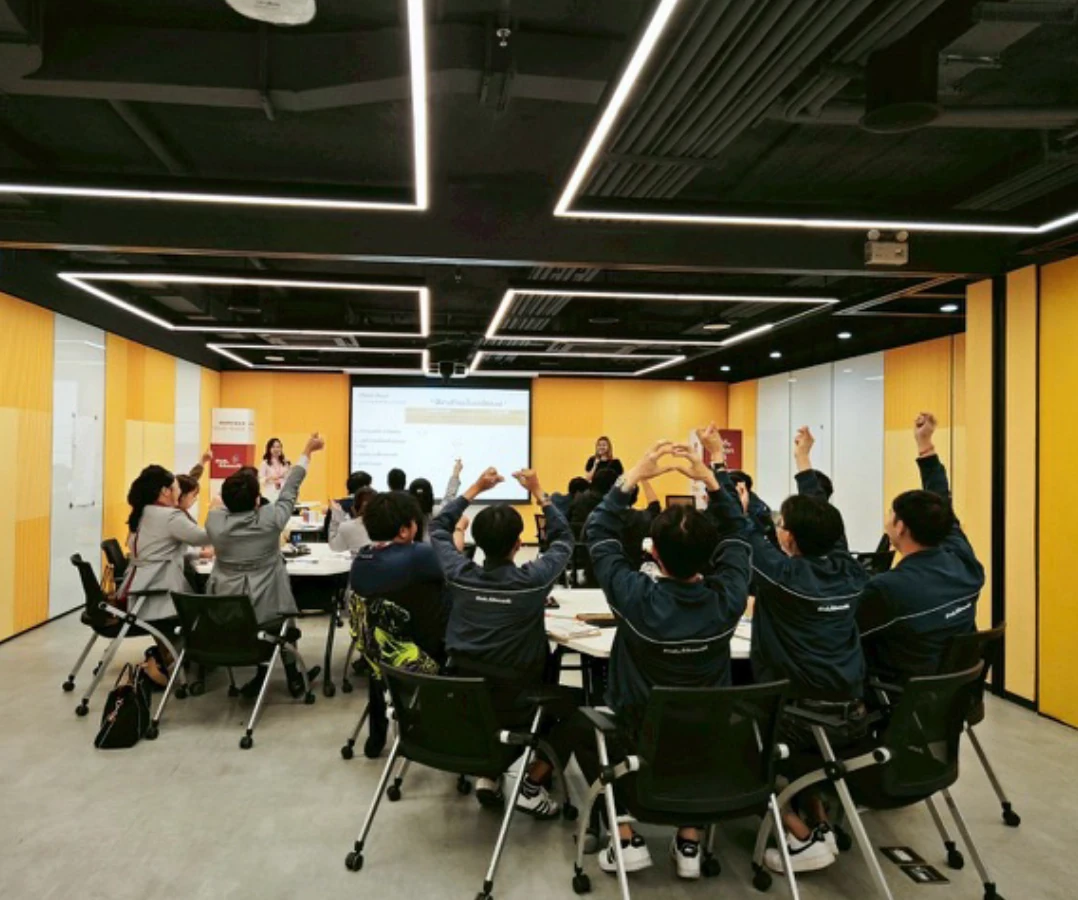
Continuously increase training hours for all employees (online and offline methods)
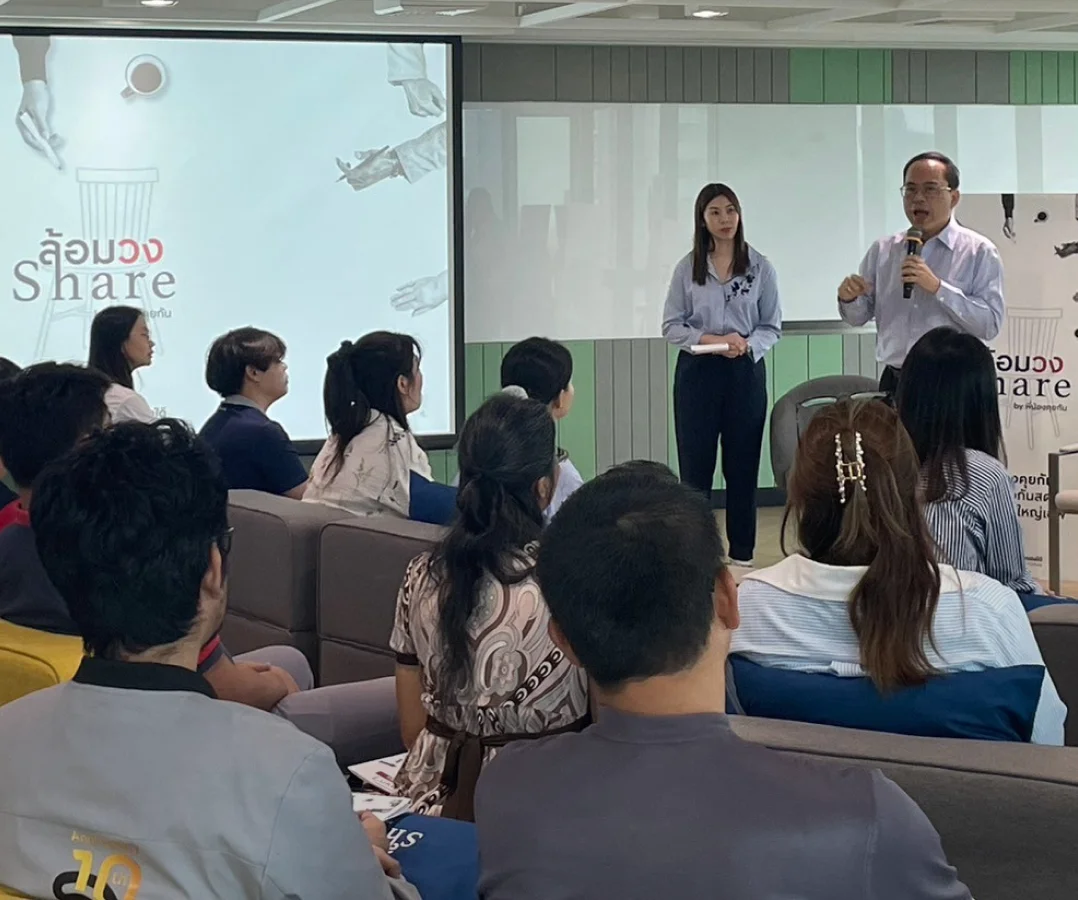
New employees must complete the Onboarding – Functional course
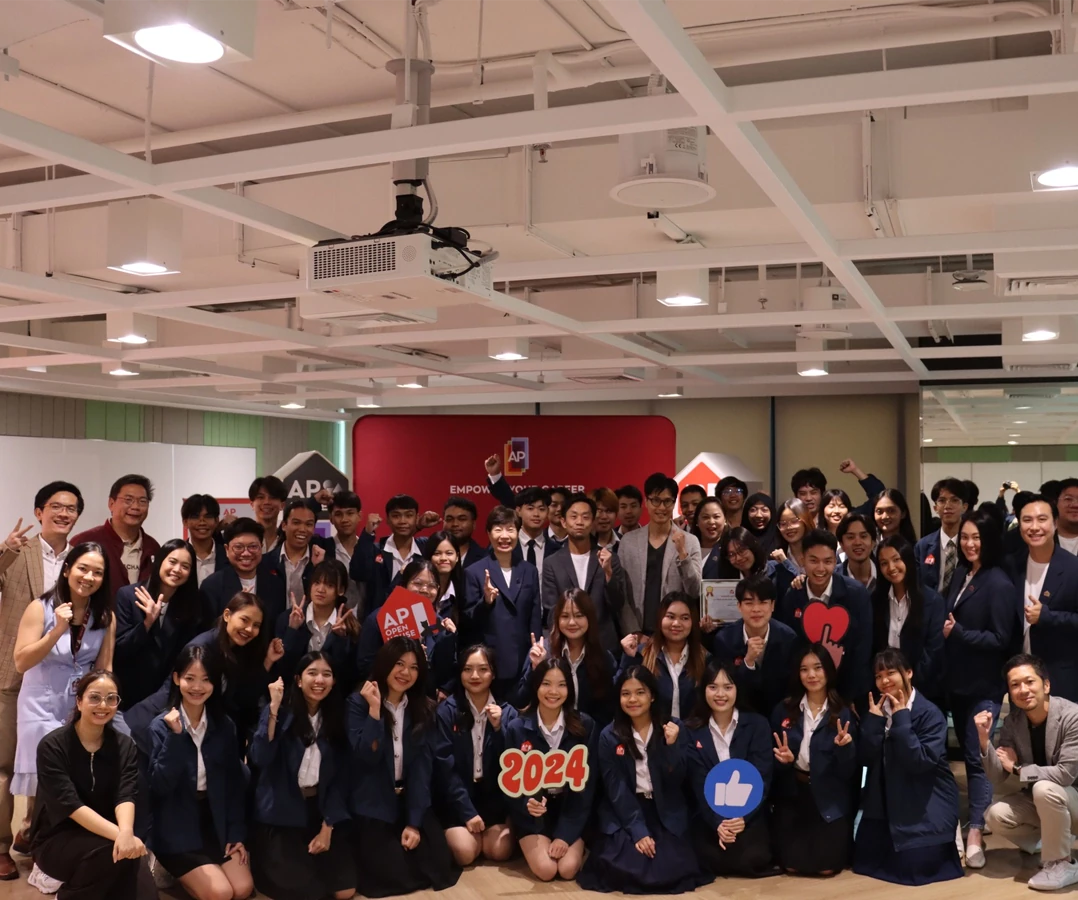
AP Academy potential development courses has been receiving excellent satisfaction scores from all participants continuously every year
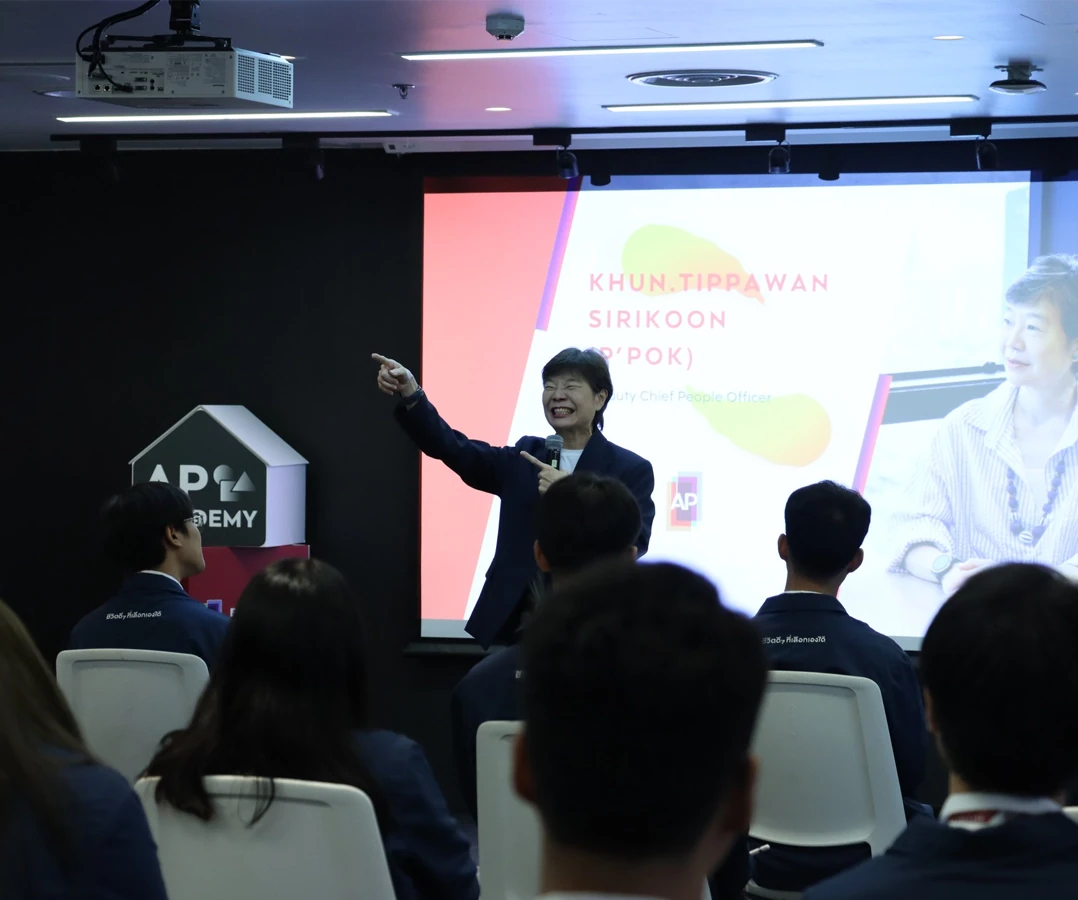
Focus on developing management-level employees and above are receiving in-depth skill development in Outward Mindset and Design Thinking and they can apply them for working
Performance Highlights


Our Commitment
AP Thailand prioritizes human capital development, believing that personnel are the heart of the company. The company aims to create an environment that promotes employee learning and growth through comprehensive training programs at all levels, from technical skills and leadership to strategic thinking.
To ensure employees are ready to face changes and can drive innovation, AP Thailand supports work-life balance while promoting diversity and equality in the organization, including developing skills of labors within the supply chain to elevate real estate industry standards. The company is committed to creating a quality and competitive workforce system to enhance sustainable growth and efficiently accommodate future changes.
Supporting the SDGs Goals



Stakeholders Directly Impacted


Challenges and Opportunities

Employees are a vital resource for driving sustainable business growth. However, the world is currently facing rapid changes filled with vulnerability, anxiety, irrationality, and uncertainty. These factors affect work patterns and organizational personnel expectations, including accelerating changes in economics, technology, and consumer behavior in Thailand's real estate industry.
The main challenge is competing to attract and retain talented personnel amidst a workforce that increasingly demands work flexibility, skilled labor shortages in specialized fields, and changing skills necessary for the future. Digital technologies such as Artificial Intelligence (AI) and automation systems are causing market-demanded skills to change rapidly. Additionally, social and environmental changes are driving the company to reflect on sustainability and social responsibility factors in human resource management.
However, an important opportunity that arises is the implementation of sustainable human resource development approaches. The objective is to create a learning culture and develop employees’ skills that can adapt to change. The company can design learning approaches that address the new world through Re-Learn processes, re-skilling, and building resilience. Additionally, public-private cooperation, including technology that facilitates learning and remote work, presents significant opportunities for creating a quality and competitive workforce in the market. AP Thailand recognizes these changes and aims to develop human resource development strategies to align with labor market demands, while creating an environment that supports personnel growth alongside the organization in a stable and sustainable manner.
Management Approach and Value Creation
AP Thailand has established clear strategies and action plans for human resource development, focusing on creating an organizational culture that promotes learning and innovation. The company provides diverse training and skill development programs to enable employees to adapt and grow in their careers. Additionally, clear career growth paths are established to enhance employee engagement and job satisfaction.
From implementing these strategies, the company can create value for the environment, society, and stakeholders by developing quality personnel who are socially responsible. This enables the company to efficiently respond to customer needs and enhance long-term organizational sustainability.
Management
AP Thailand operates human capital development under the organizational strategic framework “AP Direction & 3 Strategies” that aims to build strength from within, focusing on 3 main approaches:
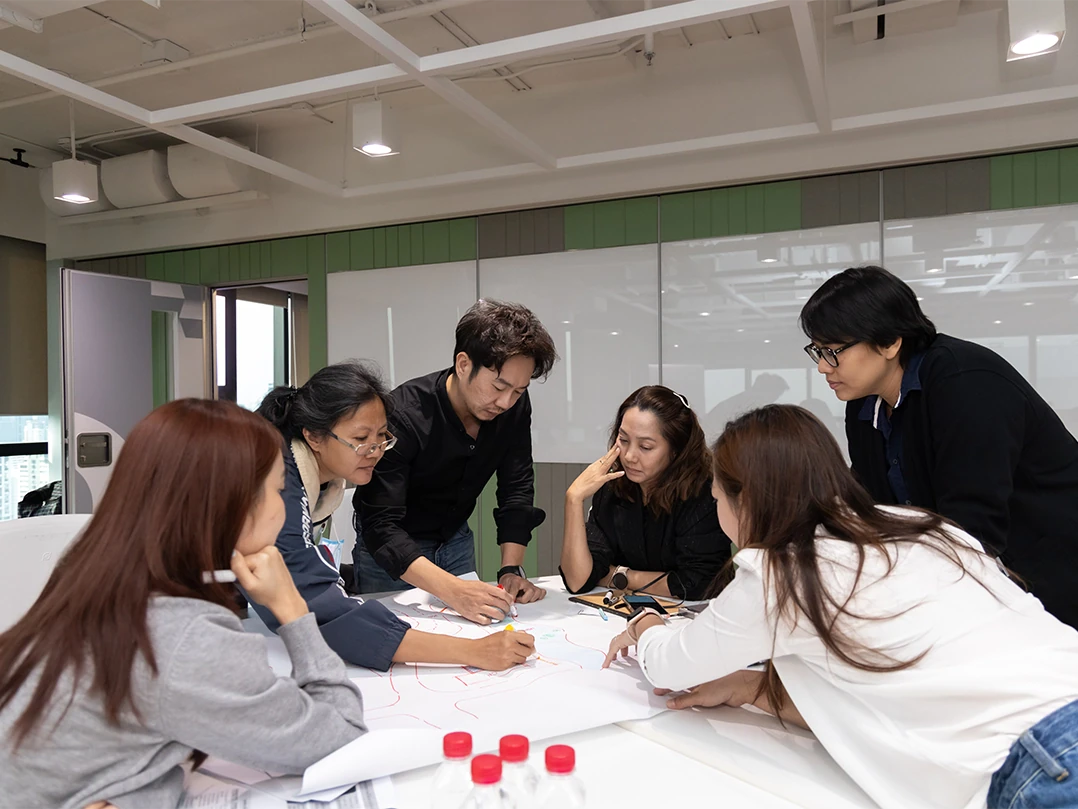


These approaches reflect AP Thailand's commitment to enhancing personnel capabilities to create sustainable value for the company, society, and stakeholders.
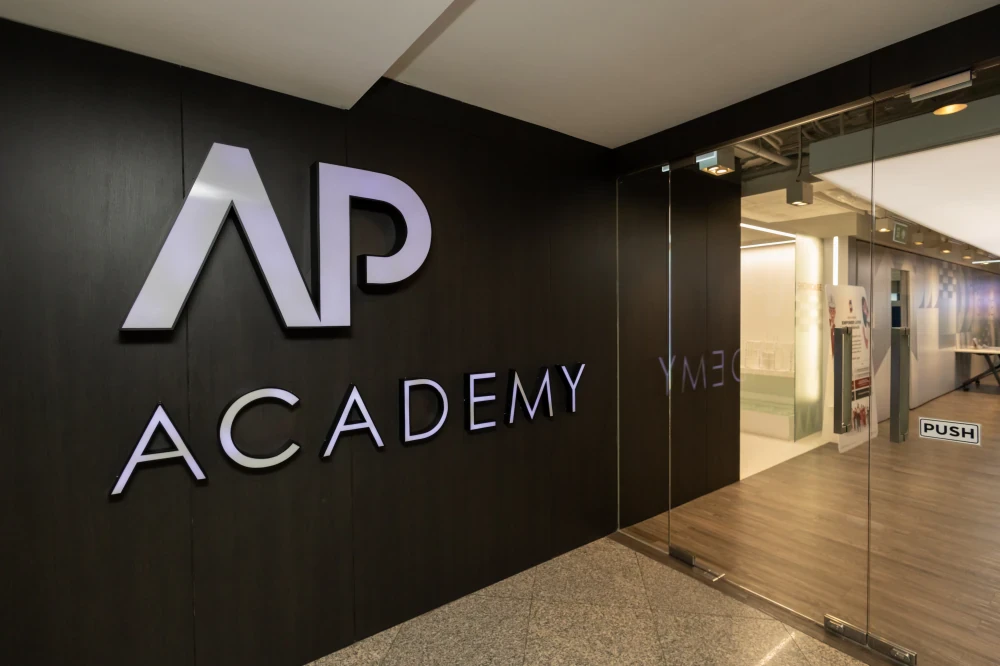
AP Academy
is AP’s employee capability development program, designed to strengthen the knowledge, skills, and expertise of employees across all functions. The program is grounded in the belief that building quality homes begins with quality people. It supports the Company’s growth while continuously enhancing professional standards across the organization.
AP Academy is structured around three core pillars:
AP Academy reflects AP’s commitment to holistic employee development, supporting the creation of a learning organization where employees and the Company can grow together sustainably.
Continuous Development
AP Thailand operates continuous human capital development. In 2025, the company organized a total of 130 internal training courses and supported an additional 80 external training courses, totaling 210 training courses. These covered various formats including Classroom, Workshop, Virtual Classroom, and online systems through the "AP PLEARN" platform, with a total of 4,489 participants and a total budget of over 11.45 million baht. Additionally, there were 4,438 participants who joined learning through the AP PLEARN system, representing an investment value of 2.53 million baht.

In 2025, employees participated in and completed various training programs delivered through classroom sessions, workshops, both face-to-face and virtual classroom formats, as well as online courses.
The training programs covered four key areas, including sales and service management, property management, and employee capability development. In 2025, these programs included online courses available on AP PLEARN, AP’s online learning platform, as well as AP Public Course Training, which aims to promote knowledge sharing, innovation, and broader perspectives in construction, design, sales, and real estate services, while also inspiring participants.
AP Public Course Training is open to the general public, including students, university students, professionals in related fields, and interested individuals. Participants are invited to attend, exchange ideas, and learn from renowned speakers at both national and international levels, free of charge. Examples of training courses include:
- Basic Laws for Building and Housing Estate Managers This course focuses on providing essential legal knowledge that building and housing estate managers should know, together with real case studies, enabling participants to apply the knowledge effectively in their work.
- Fundamentals of Building Engineering Systems for Building Technicians This course provides intensive foundational knowledge on high-rise building engineering systems, covering key systems related to actual operations in buildings and residential properties.
- Communication Techniques and Personality Development for Work This course aims to strengthen communication skills and professional personality suitable for today’s workplace, which are essential skills alongside professional knowledge and technical capabilities.